
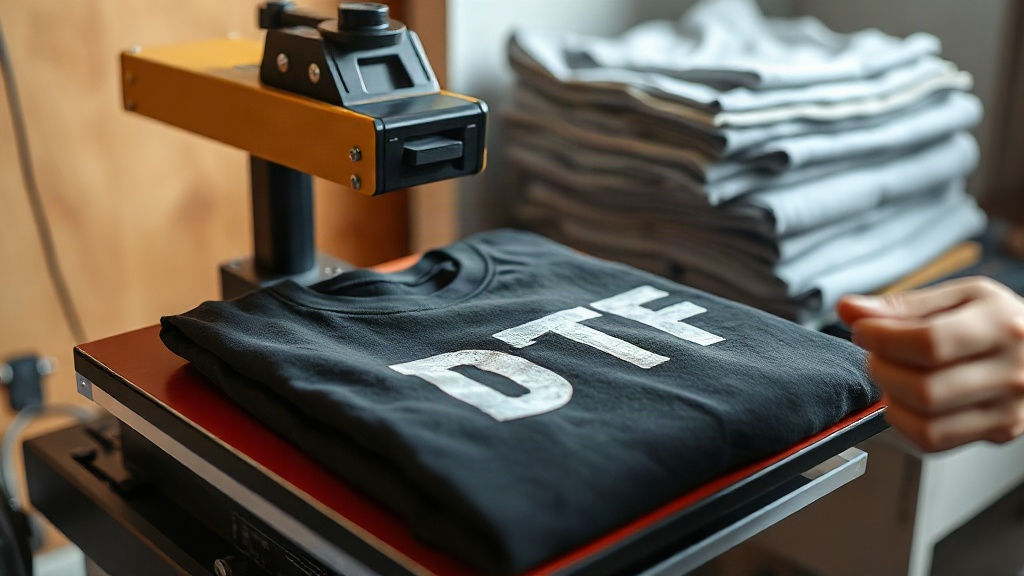
When you're printing custom apparel, the blank you choose can make or break the final product. Two names that consistently come up in professional circles are Shaka Wear and Smart Blanks, each offering distinct advantages for different applications. But how do they perform with DTF transfers? If you've ever pulled a shirt from the press only to see cracked ink or a dull finish, you know that the marriage between transfer and garment isn't automatic. It requires understanding the fabric, the adhesive, and the press settings. In this guide, we'll walk through everything you need to know to get flawless, durable results with DTF transfers on Shaka Wear and Smart Blanks, based on hands-on experience and industry best practices.
Why DTF Transfers Are a Game-Changer for Custom Apparel
Direct-to-film printing has exploded in popularity for good reason. Unlike vinyl or screen printing, DTF transfers allow for full-color, photographic-quality images without the setup costs or color limitations. They work on a wide range of fabrics, from cotton to polyester blends, and they're incredibly durable when applied correctly. For small businesses and hobbyists alike, DTF opens up possibilities that were previously out of reach.
But not all blanks are created equal. The surface texture, fiber content, and even the dye used can affect how well the transfer adheres. That's why choosing the right garment matters just as much as choosing the right transfer.
Shaka Wear: Streetwear Staple Meets DTF
Shaka Wear has become a go-to for streetwear brands and print shops that need heavyweight, boxy tees with a premium feel. Their garments are typically 100% cotton, often ring-spun, with a substantial hand. This cotton construction is actually ideal for DTF transfers because the fibers provide a excellent surface for the adhesive to grab onto.
Fabric Characteristics and DTF Compatibility
Most Shaka Wear tees are 6.0 to 7.5 oz, which means they can handle the heat and pressure of a transfer press without scorching. The tight knit also minimizes texture interference, allowing the transfer to sit smoothly on the surface. However, because Shaka Wear often uses heavier cotton, you may need slightly higher pressure to ensure the adhesive penetrates the fibers evenly.
Recommended Press Settings for Shaka Wear
Based on our tests, here's a solid starting point for Shaka Wear garments:
- Temperature: 325°F (163°C)
- Pressure: Medium to heavy (6-8 on a 1-10 scale)
- Time: 15-20 seconds
- Peel: Hot peel (immediately after pressing)
Always pre-press the garment for 5-10 seconds to remove moisture and wrinkles. This step is non-negotiable for consistent results.
Smart Blanks: The Budget-Friendly Option That Delivers
Smart Blanks have carved out a niche for themselves as an affordable alternative without sacrificing too much quality. They're popular for promotional items, event merch, and sample runs where cost per unit matters. But how do they hold up with DTF transfers?
Many Smart Blanks are cotton-poly blends, often 50/50 or 60/40. This blend can be a double-edged sword. On one hand, polyester helps the transfer bond at lower temperatures. On the other, the cotton content can cause slight dye migration if you're using dark colors. The key is to adjust your press settings and use a quality DTF film that's designed for blends.
Navigating Polyester and Blends with DTF
When working with Smart Blanks that have a high polyester content, lower your temperature to around 300°F (150°C) to prevent the polyester from glazing or the transfer from over-curing. Also, use a lower pressure to avoid flattening the fabric too much. A medium pressure setting (4-6) usually works well.
Step-by-Step Application on Smart Blanks
- Pre-press the garment for 5 seconds to remove wrinkles and moisture.
- Place the DTF transfer with the adhesive side down.
- Press at 300°F for 12-15 seconds with medium pressure.
- Peel the film while it's still warm (hot peel).
- Post-press for 5 seconds with a Teflon sheet for added durability.
This method has given us consistent, vibrant results on Smart Blanks without cracking or fading.
Comparing Shaka Wear and Smart Blanks for DTF Transfers
Both blanks have their place, but they cater to different needs. Shaka Wear is the premium choice: heavier, more durable, and ideal for retail-quality apparel. Smart Blanks are the economical workhorse: lighter, more affordable, and perfect for high-volume or budget-conscious projects.
From a DTF perspective, Shaka Wear requires a bit more heat and pressure but yields a softer hand and better wash durability. Smart Blanks are more forgiving with temperature but may show slightly more texture through the print. Neither is inherently better; it depends on your priorities.
Pro Tips for Flawless DTF Transfers on Any Blank
Regardless of which blank you choose, these tips will elevate your results:
- Moisture is the enemy: Always pre-press to remove any residual moisture. Even a tiny amount can cause the transfer to bubble or peel.
- Use a quality heat press: Consistent temperature and pressure are crucial. A clamshell press with a digital controller is a solid investment.
- Test your settings: Every press runs slightly differently. Run a test shirt before a big order.
- Store transfers properly: Keep DTF transfers in a cool, dry place away from direct sunlight to prevent the adhesive from degrading.
- Wash inside out: Advise your customers to wash garments inside out in cold water and tumble dry low. This dramatically extends the life of the print.
Common Pitfalls and How to Avoid Them
Even experienced printers run into issues. Here are a few common problems and their solutions:
Transfer Peeling After Wash
This usually means insufficient pressure or time. Increase pressure and ensure you're pressing for the full recommended duration. Also, check that the garment is completely dry before pressing.
Dull or Faded Colors
If your transfers look washed out, you might be over-pressing. Too much heat can degrade the ink. Try lowering the temperature by 10-15°F and see if that helps.
Adhesive Residue on the Press
This happens when the transfer is peeled too cold. Always follow the peel instructions for your specific film. If you're using a hot peel, don't let it cool down before removing the film.
Frequently Asked Questions
Can I use DTF transfers on Shaka Wear's heavyweight cotton tees?
Absolutely. In fact, Shaka Wear's heavyweight cotton is one of the best surfaces for DTF transfers because the tight knit and natural fibers provide excellent adhesion. Just be sure to use sufficient pressure to penetrate the thicker fabric.
Do Smart Blanks require different DTF settings than 100% cotton?
Yes, Smart Blanks often contain polyester, which can be sensitive to high heat. Lower your temperature to around 300°F and use medium pressure. This prevents the polyester from scorching and ensures a smooth finish.
How durable are DTF transfers on these blanks after multiple washes?
When applied correctly, DTF transfers on both Shaka Wear and Smart Blanks can easily withstand 50+ washes without significant fading or cracking. The key is proper application and following care instructions.
What's the best way to remove a DTF transfer if I make a mistake?
If you catch it immediately, you can often peel it off while hot. For set transfers, use a heat press with a Teflon sheet and apply low heat to soften the adhesive, then peel carefully. A little practice makes it easier.
Are DTF transfers cost-effective for large orders on Smart Blanks?
Definitely. Smart Blanks are budget-friendly, and DTF transfers eliminate setup costs, making them ideal for large runs. You get vibrant, full-color prints without the overhead of screen printing.
With the right approach, DTF transfers can turn Shaka Wear and Smart Blanks into stunning custom apparel that lasts. Whether you're a seasoned pro or just starting out, these guidelines will help you achieve professional results every time.