
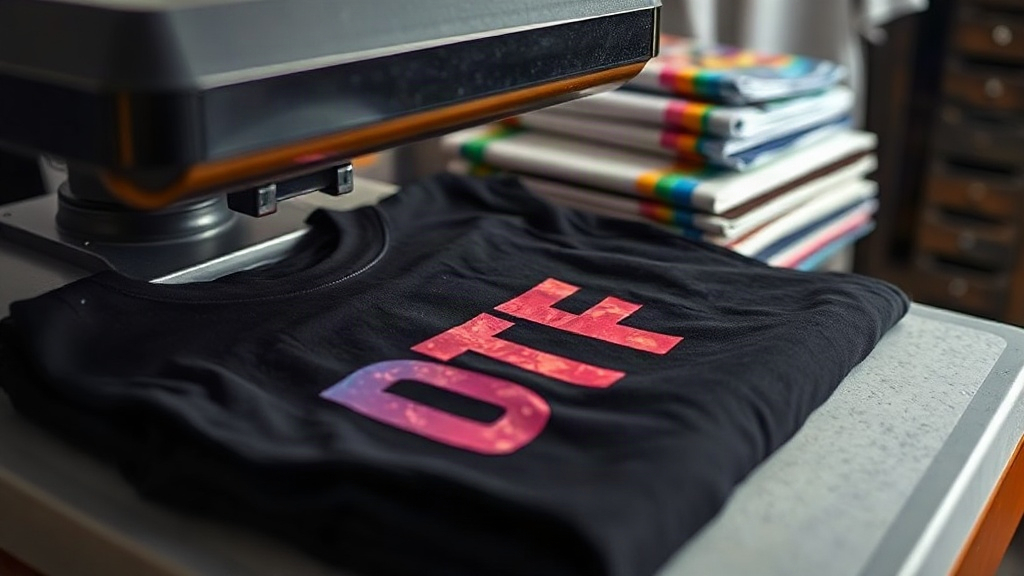
When you first try DTF transfers on a Shaka Wear tee, the result can be so crisp and stretchy that you wonder why you ever bothered with vinyl. But getting that flawless finish isn't automatic. It depends on choosing the right blank, dialing in your heat press, and understanding how different fabrics react. In this guide, I'll share what I've learned from pressing hundreds of shirts, including specific settings for Smart Blanks and Shaka Wear, so you can avoid the common pitfalls and get professional results every time.
Why DTF Transfers Are a Game-Changer for Custom Apparel
Direct-to-film printing has exploded in popularity for good reason. Unlike vinyl or screen printing, DTF transfers allow you to print full-color, photographic designs with fine details and gradients, all without minimums or setup fees. The process involves printing your design onto a special film, coating it with adhesive powder, and then heat-pressing it onto a garment. The result is a soft, stretchy print that bonds permanently to the fabric.
What makes DTF especially appealing for small businesses and hobbyists is its versatility. You can press onto cotton, polyester, blends, and even nylon. That means you're not limited to 100% cotton tees. However, not all blanks are created equal. The quality of your final product depends heavily on the blank you choose.
Choosing the Right Blank: Smart Blanks vs. Shaka Wear
Two brands that consistently deliver great results with DTF are Smart Blanks and Shaka Wear. Both offer quality garments, but they cater to slightly different needs. Let's break down what makes each stand out.
Smart Blanks: Affordable and Reliable
Smart Blanks are known for their budget-friendly pricing without sacrificing quality. Their tees are typically 100% cotton or cotton-poly blends with a smooth surface that accepts DTF transfers beautifully. I've found that Smart Blanks hold up well wash after wash, with minimal fading or cracking. They're an excellent choice for high-volume orders where cost matters, like giveaways or team uniforms.
One thing to note: Smart Blanks tend to have a slightly lighter weight than premium brands. That's not a downside for DTF, as long as you adjust your press settings. A lighter fabric may require a slightly lower temperature to avoid scorching. I usually press Smart Blanks at 325°F for 15 seconds with medium pressure.
Shaka Wear: Heavyweight and Streetwear-Ready
If you're into streetwear or want a premium feel, Shaka Wear is a top contender. Their tees are heavier (often 6.0 oz or more) and have a boxy, modern fit that's popular with fashion brands. The tight knit and smooth surface make them ideal for DTF transfers, as the print sits on top of the fabric without sinking into the weave.
Because Shaka Wear tees are thicker, they can handle higher heat and pressure. I press them at 350°F for 15 seconds with firm pressure, and the results are outstanding. The prints stretch with the fabric and don't crack, even on areas that flex a lot, like shoulders and chest.
Step-by-Step DTF Application on Smart Blanks and Shaka Wear
Now that you know your blanks, let's walk through the application process. These steps work for both brands, but I'll note any adjustments.
- Preheat the garment: This removes moisture and wrinkles. Press for 5 seconds at your target temperature (325°F for Smart Blanks, 350°F for Shaka Wear).
- Position the transfer: Place the DTF transfer face-down on the shirt. Use heat tape if needed to keep it in place.
- Press: Apply medium to firm pressure for 15 seconds. For Smart Blanks, medium pressure; for Shaka Wear, firm pressure.
- Peel: Wait 10-15 seconds for the transfer to cool slightly, then peel the film off in a smooth, steady motion. If you peel too hot, the design may stretch; too cold, and it might crack.
- Post-press: Cover the design with parchment paper or a Teflon sheet and press again for 5-10 seconds. This ensures the adhesive fully cures and improves wash durability.
Temperature and Pressure Cheat Sheet
- Smart Blanks: 325°F, 15 seconds, medium pressure, warm peel.
- Shaka Wear: 350°F, 15 seconds, firm pressure, warm peel.
- General rule: Always test with a scrap piece first, as press calibrations vary.
Common Problems and How to Fix Them
Even with the best blanks, issues can arise. Here are the most frequent problems I've encountered and how to solve them.
Transfer Not Sticking
If the design peels off after washing, it's usually due to insufficient pressure, wrong temperature, or not enough adhesive powder. Make sure your press is calibrated. For Smart Blanks, increase pressure slightly if needed. For Shaka Wear, ensure the temperature is high enough to activate the adhesive.
Cracking or Fading
Cracking often happens when the transfer is stretched during peeling or if the garment is washed in hot water. Always peel warm, and wash inside out in cold water. Also, avoid ironing directly on the print.
Color Bleeding on Dark Garments
DTF transfers have a white ink layer that blocks the garment color, but if you're pressing onto a very dark or brightly colored shirt, you might need a double layer of white ink. When ordering transfers, specify that they're for dark fabrics.
Why DTF Transfers Outperform Other Methods on These Blanks
Compared to vinyl, DTF offers more detail and stretch. Compared to screen printing, DTF has no color limitations and lower setup costs. On Smart Blanks, DTF provides a cost-effective way to produce vibrant designs without the stiffness of vinyl. On Shaka Wear, DTF enhances the premium feel with a soft, flexible print that moves with the fabric.
I've also found that DTF transfers adhere better to the tight knit of Shaka Wear than some other methods, like sublimation, which only works on polyester. Since Shaka Wear is cotton, sublimation isn't an option, but DTF is perfect.
Frequently Asked Questions
Can I use DTF transfers on 100% cotton Shaka Wear tees?
Absolutely. DTF transfers work exceptionally well on 100% cotton, including Shaka Wear. The key is to use the right press settings: 350°F for 15 seconds with firm pressure. The print will bond permanently and remain soft.
What's the best way to wash a DTF-printed Smart Blanks shirt?
Turn the shirt inside out and wash in cold water on a gentle cycle. Avoid fabric softener and bleach. Tumble dry on low or hang dry. Following these steps will keep the print looking new for years.
Do I need special film for DTF transfers on dark garments?
No, standard DTF film works for both light and dark garments because the white ink layer provides opacity. However, for very dark colors, ensure your printer uses enough white ink. If you outsource transfers, specify the garment color.
How long do DTF transfers last on Shaka Wear?
With proper application and care, DTF transfers can last the lifetime of the garment. I've had shirts that went through 50+ washes with no cracking or fading. The key is correct pressing and avoiding high heat in the dryer.
Can I stretch the design after pressing?
DTF transfers are stretchable, but you should avoid overstretching immediately after pressing. Let the print cool completely before wearing or stretching. Once cooled, the print will stretch with the fabric without cracking.
Final Thoughts
Mastering DTF transfers on Smart Blanks and Shaka Wear opens up a world of possibilities for custom apparel. Whether you're printing a few shirts for your brand or scaling up production, the combination of quality blanks and DTF technology delivers professional, durable results. Remember to test your settings, follow the steps, and troubleshoot as needed. With a little practice, you'll be producing stunning shirts that your customers will love.