
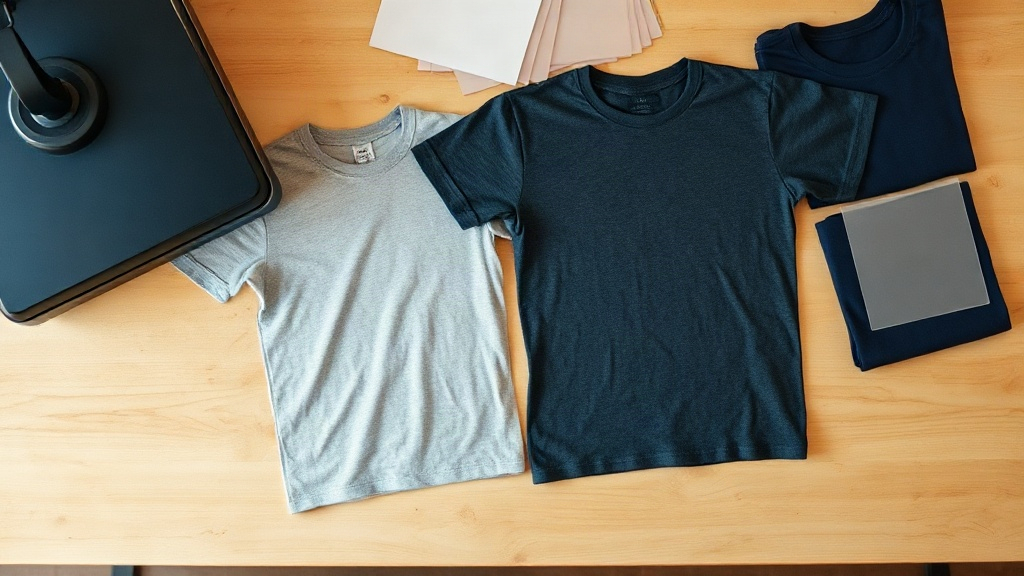
You have a heat press, a stack of film, and two blanks on the table: a smart blanks tee and a shaka wear tee. Both look like solid choices for a dtf transfers run, but they do not behave the same way once heat and pressure hit the fabric. Pick the wrong one for your design and you get dull colors, a stiff hand feel, or a print that starts lifting after the third wash. This guide walks through what actually happens with each blank, how to set your press, and how to keep prints looking sharp for the life of the shirt.
Why the Blank Matters More Than the Film
Most people obsess over the transfer itself and treat the garment as an afterthought. That is backwards. DTF powder adhesive bonds to the fabric surface, and that surface varies wildly between brands, blends, and even dye lots. A cotton-heavy tee grips the adhesive and holds it. A poly-heavy tee can repel it or let dye migrate into the print during pressing. The blank sets the ceiling for how good your finished product can look.
That is why the smart blanks versus shaka wear question comes up so often in print shops. They sit in a similar price bracket and both get marketed as everyday basics, but their fabric composition and finishing push them in different directions.
Smart Blanks: What You Are Actually Pressing
Smart Blanks built its reputation on ring-spun cotton tees with a soft, broken-in feel straight out of the bag. The face of the fabric is smooth and tightly knit, which is exactly what you want under a DTF sheet. A tight knit means the adhesive has fewer fibers to fight through, so you get better contact and a cleaner edge on fine details.
Press Settings That Work
For a standard cotton smart blanks tee, start here and adjust from there:
- Temperature: 320 to 330 degrees Fahrenheit
- Pressure: medium to firm, enough that you can see the fabric texture through the film
- Pre-press: 5 to 7 seconds to drive out moisture
- Press time: 12 to 15 seconds
- Peel: warm peel for most films, cold peel if your film spec sheet says so
The pre-press step is not optional. Cotton holds ambient moisture, and trapped moisture turns into steam that pushes the transfer up before the adhesive sets. Skip it and you will blame the film for a problem the blank caused.
Where Smart Blanks Shines
Detail-heavy artwork is where this blank earns its keep. Halftones, thin outlines, and small text all hold up because the smooth surface lets the film sit flat. If you are printing something with fine lettering or a gradient, a smart blanks tee gives you a forgiving canvas. It is also a comfortable wear for retail customers, which matters when the shirt itself is part of the product.
Shaka Wear: Heavier, Bolder, Different Rules
Shaka Wear leans into a heavier, boxier fit. Their tees often run at a higher fabric weight, and many popular styles are cotton or a cotton-poly blend. That extra weight gives the shirt a structured drape that a lot of streetwear and workwear buyers prefer. The tradeoff shows up at the press.
Adjusting for Heavier Fabric
Thicker fabric needs more heat to reach the adhesive layer, but more heat also risks scorching or dye migration. Balance it like this:
- Temperature: 300 to 320 degrees Fahrenheit for blends, 320 to 340 for 100 percent cotton
- Pressure: firm, and consider a second short press to even out the bond
- Pre-press: 7 to 10 seconds, especially on heavyweight cotton
- Press time: 15 to 18 seconds
- Cooling: let the print cool fully before stretching or folding
If you are working with a poly-blend shaka wear tee, drop the temperature into the low end of the range and watch for dye migration. Polyester dye can sublimate into the transfer under heat, which shows up as a ghosted tint in white areas of your design. A low-bleed film or a lower press temperature solves most of it.
Where Shaka Wear Wins
When the design is bold and simple, such as a large block logo or a full-front graphic with thick lines, the heavier fabric carries it well. The shirt feels substantial, the print sits on a stable surface, and the overall piece reads as premium. For workwear, event merch, and streetwear drops, that weight is a selling point rather than a problem.
Comparing the Two for DTF Transfers
Here is the short version of what changes between them:
- Surface smoothness: smart blanks tends to be smoother, which favors fine detail. Shaka wear often has a slightly heavier hand that needs more pressure for full contact.
- Heat tolerance: heavier cotton handles higher heat, but blends demand caution on both.
- Hand feel after pressing: both can feel stiff if you over-press. Lower temperature and shorter dwell time keep the print soft.
- Best use case: fine detail and retail-soft basics lean toward smart blanks. Bold graphics and heavyweight streetwear lean toward Shaka wear.
Neither blank is universally better. The right call depends on your artwork, your customer, and how much time you want to spend dialing in settings.
DTF Transfers Tips That Apply to Both
These habits separate a print that lasts from one that peels:
- Always pre-press. Moisture is the number one enemy of adhesion.
- Test your pressure with a scrap first. Too little pressure leaves the edges unbonded, too much flattens the print and can cause bleed.
- Store film in a dry place. Humidity ruins the powder adhesive before it ever touches fabric.
- Wash inside out in cold water and tumble low or hang dry. Heat is what kills DTF prints over time.
- Wait 24 hours before the first wash. The adhesive continues to cure as it cools.
If you want a deeper look at film options and press techniques, the resources at dtfperfect cover the practical side of running transfers at volume.
Frequently Asked Questions
Can I use DTF transfers on a Shaka Wear poly blend without dye migration?
Yes, but you need to control temperature. Keep the press at the low end of the range, use a low-bleed film, and pre-press the garment to drive out moisture. Test on a scrap shirt from the same dye lot before running a full order.
Do Smart Blanks tees need a different press time than heavier blanks?
Usually yes. A lighter cotton smart blanks tee presses well in 12 to 15 seconds, while a heavier shaka wear tee often needs 15 to 18 seconds so the heat reaches the adhesive layer evenly.
Why does my DTF print feel stiff after pressing?
Stiffness comes from too much heat, too much pressure, or too long a dwell time. Lower the temperature by 10 degrees, shorten the press by a few seconds, and press a test piece to compare the hand feel.
Which blank holds fine detail better for DTF transfers?
A smoother, tighter knit surface generally holds fine detail better. That usually points to a lighter ring-spun cotton blank, though the film quality and your press settings still play a major role.
How long should I wait before washing a DTF printed shirt?
Give it at least 24 hours. The adhesive keeps curing as it cools, and washing too soon can weaken the bond before it fully sets.