
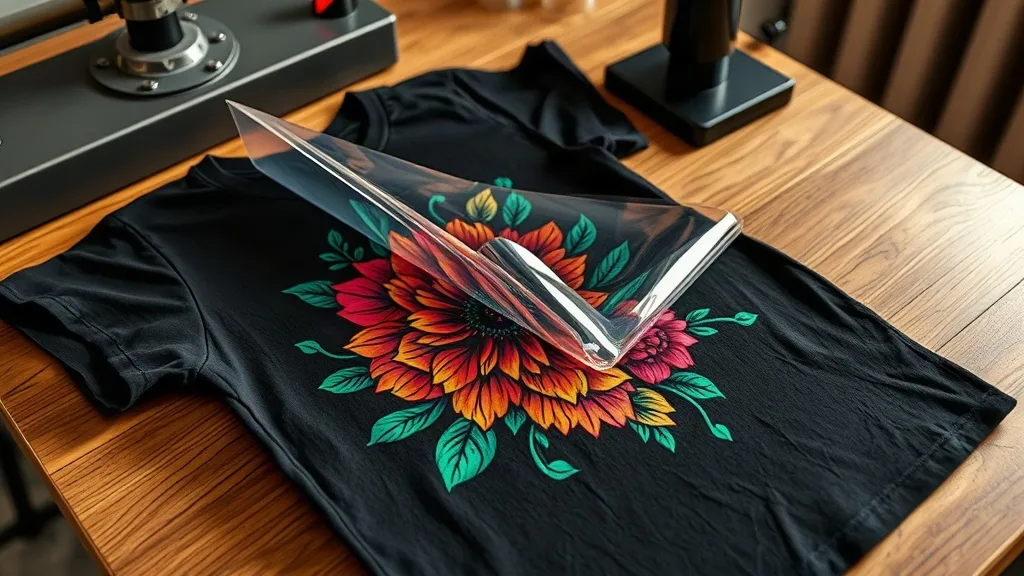
If you have ever admired a custom t-shirt with a vibrant, detailed graphic and wondered how it was made, there is a good chance it was created using dtf technology. DTF, or Direct to Film, has quickly become a favorite among crafters and professional printers alike because it works on almost any fabric and produces stunning, long-lasting results. Unlike older methods that require specific materials or complicated setups, DTF opens up a world of possibilities for personalizing apparel and accessories. In this guide, we will walk you through everything you need to know about dtf transfers, from the basic process to advanced tips that ensure your prints look professional every time.
Whether you are a small business owner looking to expand your product line or a hobbyist wanting to create custom gifts, understanding DTF can save you time and money while delivering impressive quality. We will cover the essential steps, common pitfalls, and practical advice drawn from real-world experience. By the end, you will have the confidence to tackle your own DTF projects and achieve results that rival commercial printing.
What Are DTF Transfers?
DTF stands for Direct to Film. It is a printing method where your design is printed onto a special film, coated with a powder adhesive, and then transferred to fabric using a heat press. The magic lies in the film: it holds the ink and adhesive, allowing the design to bond permanently with the material. This process differs from DTG (Direct to Garment) or sublimation because it does not require pre-treatment of the fabric and works on a wide range of materials, including cotton, polyester, blends, and even leather.
The key components of a DTF transfer are the PET film, the specialized ink (usually pigment-based), and the hot-melt adhesive powder. When heat and pressure are applied, the adhesive melts and fuses the ink to the fabric fibers. The result is a soft, stretchable print that withstands repeated washing without cracking or fading. Because the film can be stored and shipped, DTF is also ideal for on-demand production or for selling transfers to other crafters.
How DTF Differs from Other Printing Methods
Compared to vinyl cutting, DTF eliminates the need for weeding tiny details, making complex designs much easier to produce. Unlike sublimation, which only works on light-colored polyester, DTF can print white ink and works on dark garments. And unlike screen printing, DTF does not require separate screens for each color, so short runs and full-color images are cost-effective. This versatility is why many professionals now consider DTF a game-changer.
The DTF Printing Process Step by Step
Getting started with DTF involves a few specific steps. Here is a breakdown of the workflow, from digital file to finished garment.
1. Preparing Your Artwork
Start with a high-resolution image, ideally 300 DPI at the final print size. Vector files work best, but high-quality PNGs with transparent backgrounds are also fine. Remember that DTF prints white ink as a base, so you do not need to worry about the fabric color showing through. However, you should consider how the design will look on different backgrounds. For example, a design with light colors may need a white underbase to pop on dark fabric, while on light fabric, you might skip the white layer for a softer feel.
2. Printing onto Film
Your DTF printer uses pigment inks to print the design onto a PET film. The printer lays down a white ink layer first (unless your design already includes white), followed by the color layers. This white layer acts as an opaque base, ensuring vibrant colors on any fabric. After printing, the film passes through a powder shaker that applies hot-melt adhesive powder evenly. Excess powder is removed, and the film goes through a curing oven to melt the powder into a smooth, dry layer. The cured film can be stored for later use or pressed immediately.
3. Heat Pressing the Transfer
Pressing is where the transfer comes to life. Set your heat press to the temperature and time recommended for your film and fabric. Typically, temperatures range from 300°F to 340°F (150°C to 170°C) for 10 to 20 seconds with medium to firm pressure. Place the transfer on the garment with the adhesive side down, cover with a protective sheet (like parchment paper or a Teflon sheet), and press. After pressing, let the garment cool completely before peeling the film. Most DTF transfers are cold-peel, meaning you wait until it is cool to the touch before removing the film. This prevents the design from stretching or lifting.
For best results, use a heat press rather than an iron. Irons do not provide consistent pressure or temperature, which can lead to uneven adhesion. If you must use an iron, apply firm pressure and avoid steaming.
Choosing the Right Materials for DTF
Not all DTF films and powders are created equal. The quality of your supplies directly affects the durability and appearance of your prints. Here is what to look for:
- Film: Look for double-sided matte PET film. It should be able to withstand high temperatures without curling or melting. Thicker films (75-100 microns) are easier to handle and less prone to wrinkles.
- Ink: Use DTF-specific pigment inks. These are formulated to work with the adhesive powder and to produce vibrant colors. Cheap inks may clog your printer or fade quickly.
- Powder: Hot-melt adhesive powder comes in different particle sizes. Fine powder (80-170 microns) is ideal for detailed designs, while coarser powder works for bold blocks. The powder should be stored in a dry environment to prevent clumping.
- Fabric: DTF works on cotton, polyester, blends, nylon, leather, and more. However, stretchy fabrics like spandex may require a stretchable transfer or a lower pressing temperature to avoid over-stretching the design.
Investing in quality supplies may cost a bit more upfront, but it pays off in fewer failed transfers and happier customers.
Common DTF Problems and How to Fix Them
Even experienced printers run into issues. Here are some frequent problems and their solutions:
- Transfer peels off after washing: This usually means insufficient pressure, temperature, or time. Increase one variable at a time and test. Also, ensure the garment is clean and dry before pressing.
- Colors look dull: You might need a thicker white layer or a higher white ink density. Check your printer settings and consider increasing the number of white passes.
- Film curls during printing: High humidity can cause the film to curl. Store film in a sealed bag with desiccant packs.
- Adhesive powder not melting fully: The curing oven may be too cool or the film moved too quickly. Increase the oven temperature or slow the conveyor speed.
- Design cracks after stretching: This can happen if the ink layer is too thick or the powder is not flexible enough. Use a stretchable powder and avoid over-stretching the garment when pressing.
Keeping a log of your settings for each fabric and design will help you troubleshoot quickly and replicate success.
Applications and Creative Uses for DTF Transfers
DTF is not just for t-shirts. Its ability to adhere to various materials opens up a world of creative projects:
- Apparel: Custom t-shirts, hoodies, leggings, jackets, and even denim. DTF works on both light and dark colors, and on cotton, polyester, and blends.
- Accessories: Tote bags, backpacks, hats, and socks. The stretchability of DTF makes it great for items that need to move with the body.
- Home decor: Pillow covers, quilt patches, and canvas shoes. You can even apply DTF to wood or metal for mixed-media art, though adhesion may vary.
- Promotional items: Corporate logos on uniforms, event merchandise, and team jerseys. DTF allows for small details and gradients that other methods struggle with.
Because DTF transfers can be pre-printed and stored, they are perfect for fulfilling orders on demand. You can print a batch of transfers and press them as needed, reducing waste and turnaround time.
Tips for Long-Lasting DTF Prints
To ensure your DTF prints survive many washes and wears, follow these care guidelines:
- Wait 24 hours before washing: Give the adhesive time to fully cure and bond with the fabric.
- Wash inside out in cold water: Hot water and agitation can break down the adhesive. Use a gentle cycle.
- Avoid fabric softener and bleach: These chemicals can degrade the print and cause fading.
- Tumble dry low or hang dry: High heat can cause the print to crack or peel. If ironing, do not iron directly on the print; use a cloth barrier.
- Do not dry clean: The solvents used in dry cleaning can damage the transfer.
With proper care, a DTF print can last as long as the garment itself, maintaining its vibrancy and elasticity.
Frequently Asked Questions About DTF Transfers
Can I use DTF transfers on 100% cotton?
Absolutely. DTF is one of the few methods that works beautifully on 100% cotton, as well as on polyester and blends. The adhesive bonds well to natural fibers, and the white underbase ensures colors pop even on dark cotton.
Do I need a special printer for DTF?
Yes, you need a DTF printer that uses pigment inks and is equipped with a powder shaker and curing oven. However, if you do not want to invest in a full setup, you can buy pre-printed DTF transfers from suppliers and press them with a standard heat press.
How long do DTF transfers last?
When applied correctly and cared for properly, DTF transfers can last for years. They are known for their durability and resistance to cracking, peeling, and fading. The key is using quality supplies and following the correct pressing parameters.
What is the difference between DTF and DTG?
DTG (Direct to Garment) prints directly onto the fabric, while DTF prints onto a film first and then transfers to the fabric. DTF generally works on more fabric types, requires no pre-treatment, and often produces more vibrant colors on dark garments. DTG can be more limited in fabric compatibility and may require pre-treatment for best results.
Can I stretch a DTF print?
Yes, DTF prints are stretchable, especially if you use a stretchable adhesive powder and press at the right temperature. However, excessive stretching can cause the print to crack over time. For highly stretchy fabrics like spandex, consider using a specialized stretch DTF film or reducing the print size.
DTF transfers have revolutionized the custom apparel industry by offering unmatched versatility and quality. Whether you are just starting out or looking to refine your skills, mastering DTF can open up new creative and business opportunities. Remember to source quality materials, dial in your pressing settings, and always test before full production. With practice, you will be producing professional-grade prints that impress your customers and keep them coming back for more.