
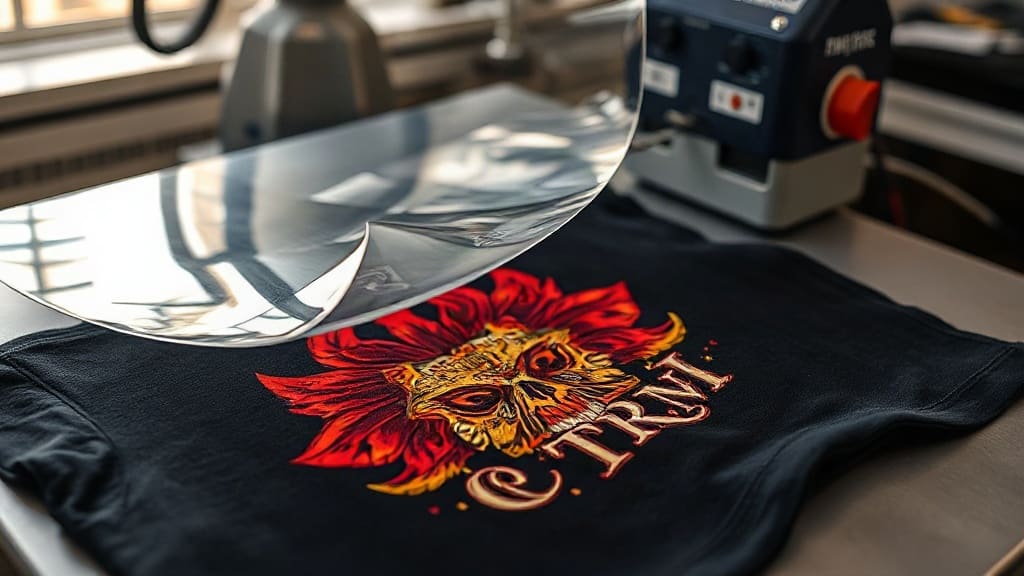
If you're in the custom apparel business, you've likely heard about DTF (Direct to Film) printing. It's a game-changer, allowing vibrant, detailed designs on various fabrics with ease. But when you need transfers quickly, searching for dtf transfers near me is a common quest. The challenge is finding a supplier that offers quality, speed, and fair pricing. In this comprehensive guide, I'll walk you through everything you need to know to locate the best local DTF transfer providers, what to look for, and how to avoid common pitfalls.
Why Local DTF Transfers Matter
When you search for dtf transfers near me, you're probably looking for convenience. Local suppliers can offer faster turnaround times, which is crucial when you have tight deadlines or unexpected orders. Additionally, you can often see and feel the product before buying, which helps ensure quality. But more importantly, building a relationship with a local supplier can lead to better pricing, custom solutions, and a reliable partnership. Let's explore the benefits in detail.
Speed and Reliability
One of the biggest advantages of using a local supplier is the reduced shipping time. While online orders might take several days, a nearby shop can often have your transfers ready in 24-48 hours. This speed can be a lifesaver for last-minute requests or rush jobs. Plus, you can avoid shipping costs and potential delays due to weather or logistics issues.
Quality Assurance
When you buy from a local business, you have the opportunity to inspect the product firsthand. You can check the print quality, the feel of the film, and even test a transfer on a sample fabric before committing to a large order. This level of control is impossible with distant online suppliers. You can also discuss your specific needs and get recommendations based on your equipment and fabric types.
Supporting Local Economy
Choosing a local supplier helps boost your community's economy. It creates jobs, keeps money circulating locally, and fosters a network of small businesses that support each other. Many local print shops are also more flexible and willing to work with you on custom projects, offering a personal touch that large warehouses can't match.
How to Find DTF Transfers Near Me
Finding local DTF transfer providers isn't as hard as you might think, but it requires a strategic approach. Here are some effective methods to locate them.
Online Search and Directories
The most obvious method is to search Google for dtf transfers near me. Use variations like 'DTF printing services in [your city]' or 'custom DTF transfers local'. Additionally, check online directories like Yelp, Yellow Pages, or local business listings. Look for reviews and ratings to gauge their reputation.
Social Media and Community Groups
Platforms like Facebook and Instagram are goldmines for finding local businesses. Search for hashtags like #DTFprinting or #localprintshop and filter by location. Join local business groups or community forums where small business owners often promote their services. You can also post a request asking for recommendations – you'll likely get several responses from satisfied customers.
Industry Events and Networking
Attend trade shows, print expos, or local business meetups. These events are excellent opportunities to meet suppliers face-to-face, see their work, and discuss your needs. You can also network with other apparel decorators in your area who can share their experiences and refer you to trusted suppliers.
What to Look for in a Quality DTF Transfer Supplier
Once you've shortlisted a few local suppliers, it's crucial to evaluate them thoroughly to ensure they meet your standards. Here are key factors to consider.
Print Quality and Resolution
Inspect their sample prints. Look for sharp details, vibrant colors, and smooth gradients. The print should be clear without any blurriness or banding. High-resolution prints indicate they use quality equipment and proper printing processes.
Film and Adhesive Quality
The film base and adhesive play a significant role in the final product. Ask about the type of film they use – it should be durable and easy to handle. The adhesive should be strong enough to stick to various fabrics after pressing, yet not too thick that it affects the feel. A reputable supplier will be transparent about their materials.
Color Accuracy and Testing
Colors can vary between screens and printers. A good supplier will work with you to ensure color accuracy, providing proofs or color matching tests. They should be willing to adjust colors to match your brand or design specifications. Also, ask if they test their transfers on different fabric types to ensure optimal results.
Turnaround Time and Capacity
Depending on your business needs, you may require quick turnarounds. Inquire about their average processing time and whether they offer rush services. Also, ask about their production capacity – can they handle large volume orders? It's essential to know if they can scale with your business growth.
Pricing and Quoting
Understand their pricing structure. Some charge per square foot, while others have a base price plus per-color or per-piece fees. Ask for a detailed quote for your specific project. Compare pricing with other suppliers but don't compromise quality for a lower price. Be wary of prices that seem too good to be true – they often indicate inferior materials or workmanship.
Customer Service and Support
Excellent customer service is vital for a smooth experience. They should be responsive to inquiries, provide helpful advice, and address any issues promptly. A supplier who values their customers will be willing to answer questions and offer solutions. Consider their communication style – do they sound knowledgeable and eager to help?
Comparing Local vs. Online DTF Transfer Suppliers
While searching for dtf transfers near me, you might also consider online suppliers. Both have their pros and cons. Let's compare them to help you make an informed decision.
Pros and Cons of Local Suppliers
Local suppliers offer speed, personal interaction, and the ability to inspect quality. However, they might have limited capacity or less variety in terms of film types and finishes. Also, their pricing may be higher due to overhead costs.
Pros and Cons of Online Suppliers
Online suppliers often have lower prices due to economies of scale and lower overhead. They may offer a wider range of products and customization options. However, shipping times can be longer, and you can't physically check the product before ordering. There's also the risk of poor communication or quality issues.
If you're in a hurry or require consistent quality, a local supplier is often the safer choice. But if you're looking for bulk quantities or niche products, online might be worth considering. Some businesses use a mix of both – local for rush orders and online for bulk to save costs.
Cost Considerations for DTF Transfers
Understanding the cost structure of DTF transfers is essential for budgeting and pricing your products. Here's a breakdown of what affects the price.
Factors Influencing Price
- Size of the transfer: Larger transfers use more film and ink, increasing cost.
- Number of colors: More colors require more ink and complexity, raising the price.
- Quantity: Bulk orders often receive discounts per unit.
- Film type: Premium films with special textures or finishes cost more.
- White ink usage: DTF transfers require a white underbase for printing on dark fabrics, which adds to the cost.
Typical Price Ranges
On average, DTF transfers can cost anywhere from $0.50 to $5 or more per transfer, depending on the factors above. Small, simple transfers might be as low as $0.30 each, while large, detailed multi-color prints can exceed $10 each. It's best to get quotes from multiple suppliers to compare.
Samples and Setup Fees
Many suppliers charge a one-time setup fee for creating the print file, especially for complex designs. Some offer free samples with a future order. Always ask about these fees upfront to avoid surprises.
Remember, the cheapest option isn't always the best. A slightly higher price can ensure durability and customer satisfaction, which in turn builds your brand reputation.
How to Evaluate a DTF Transfer Supplier
Before committing, it's wise to test a supplier's product. Here's a step-by-step process to evaluate them effectively.
Request Samples
Most reputable suppliers offer samples, either free or at a nominal cost. Order a few samples of different designs, including one with fine details and light colors, to test color vibrancy and resolution. Also, test on both light and dark fabrics.
Test Press and Wash
Apply the sample transfers to fabrics using your heat press. Follow the recommended temperature, pressure, and time. Then, wash the fabric several times to check for peeling, cracking, or fading. A quality transfer should withstand at least 20 washes without significant degradation.
Evaluate the Feel
After pressing, feel the design. It should be smooth and not overly rubbery or stiff. The adhesive should not create a heavy plastic-like texture that makes the fabric uncomfortable to wear. Compare it to your current products or industry benchmarks.
Check Stretch and Flexibility
DTF transfers should be flexible and stretchy, especially for athletic wear. Stretch the fabric to see if the design cracks or separates. Quality transfers maintain integrity even when stretched.
Common Mistakes to Avoid When Choosing a DTF Supplier
Many people make avoidable errors when selecting a supplier. Here are some pitfalls to steer clear of.
Prioritizing Price Over Quality
While budget is important, choosing the cheapest supplier often leads to poor quality transfers that crack, fade, or look unprofessional. This can damage your reputation and result in costly reprints. Invest in quality to save in the long run.
Ignoring Customer Reviews
Reviews are a goldmine of information. If a supplier has consistent negative feedback about quality or service, don't ignore it. Look for patterns and how the supplier responds to issues. A responsive and solution-oriented supplier is more trustworthy.
Not Clarifying Turnaround Times
Misunderstandings about delivery times can cause missed deadlines. Always confirm the exact turnaround time, including weekends and holidays. Ask for a written guarantee if possible.
Skipping the Sample Process
Many people skip samples to save time, but this is a critical step. You can't judge quality without testing. Even if you're in a hurry, order a small sample batch before committing to a large order.
How to Build a Long-Term Relationship with Your DTF Supplier
Once you find a reliable supplier, fostering a good relationship can benefit both parties. Here's how.
Communicate Clearly
Provide detailed specifications, including file formats, sizes, and deadlines. Clear communication reduces errors and ensures your expectations are met. Regularly update them about your business needs.
Provide Feedback
If you're happy with their work, let them know. Positive feedback encourages them to maintain quality. If there are issues, address them constructively. A good supplier will appreciate feedback and work to improve.
Order Consistently
Consistent orders help suppliers plan their production and may lead to priority treatment or bulk discounts. Consider setting up a regular ordering schedule if you have ongoing needs.
Pay Promptly
Reliable payment builds trust. If you pay on time, suppliers are more likely to extend credit or offer flexibility in urgent situations. It's a simple way to strengthen the partnership.
Future Trends in DTF Transfers
The DTF industry is evolving rapidly. Staying informed about trends can give you a competitive edge.
Eco-Friendly Solutions
Many suppliers are moving towards water-based inks and recyclable films. Eco-friendly options may cost slightly more but appeal to environmentally conscious consumers. Ask your local supplier if they offer green alternatives.
Advanced Films and Finishes
New films offer improved stretchability, softness, and durability. Some have special effects like metallic, glitter, or glow-in-the-dark. These premium options can differentiate your products.
Automation and Speed
Automated production lines are reducing turnaround times and costs. Suppliers who invest in automation can offer faster service without compromising quality. Stay updated on their capabilities.
Conclusion
Finding the best dtf transfers near me requires research, testing, and relationship-building. Remember to prioritize quality, evaluate multiple suppliers, and build a partnership based on trust and clear communication. By doing so, you'll ensure your apparel products stand out with vibrant, durable designs that keep customers coming back. So, start your search today, request samples, and test their work. Your perfect supplier is out there, and with these tips, you'll find them in no time.
Frequently Asked Questions
What is the difference between DTF and DTG printing?
DTF (Direct to Film) printing involves printing a design onto a special film, applying adhesive powder, and then heat-pressing it onto fabric. DTG (Direct to Garment) prints directly onto the fabric using a specialized inkjet printer. DTF is more versatile for different fabric types and offers better color vibrancy on dark garments, while DTG is ideal for large batches with high detail but works best on cotton fabrics.
How long do DTF transfers last?
With proper application and care, DTF transfers can last for many washes. Typically, they can withstand 30-50 washes without significant fading or cracking. The durability depends on the quality of the transfer, the pressing conditions, and the fabric type. Using a high-quality transfer and following care instructions (washing in cold water, avoiding bleach) can extend the lifespan.
Can I apply DTF transfers to any fabric?
DTF transfers work well on a variety of fabrics, including cotton, polyester, blends, and even nylon or leather with the right settings. However, the pressing temperature and time may need adjustment. It's always best to test on a small area first to ensure adhesion and appearance.
Do I need a special printer or equipment to use DTF transfers?
To apply DTF transfers, you need a heat press (or a regular iron for small projects) that can reach a temperature of 320-350°F (160-180°C). The transfers come pre-printed and powdered, so you don't need a special printer. Just place the film on the fabric, press for the recommended time, and peel. It's a simple process.
How can I ensure color accuracy when ordering DTF transfers?
To ensure color accuracy, provide your supplier with high-resolution files in CMYK mode. Request a physical proof or sample before finalizing a large order. Also, specify if you need colors to match a specific Pantone value. A good supplier will work with you to adjust colors to your satisfaction.