
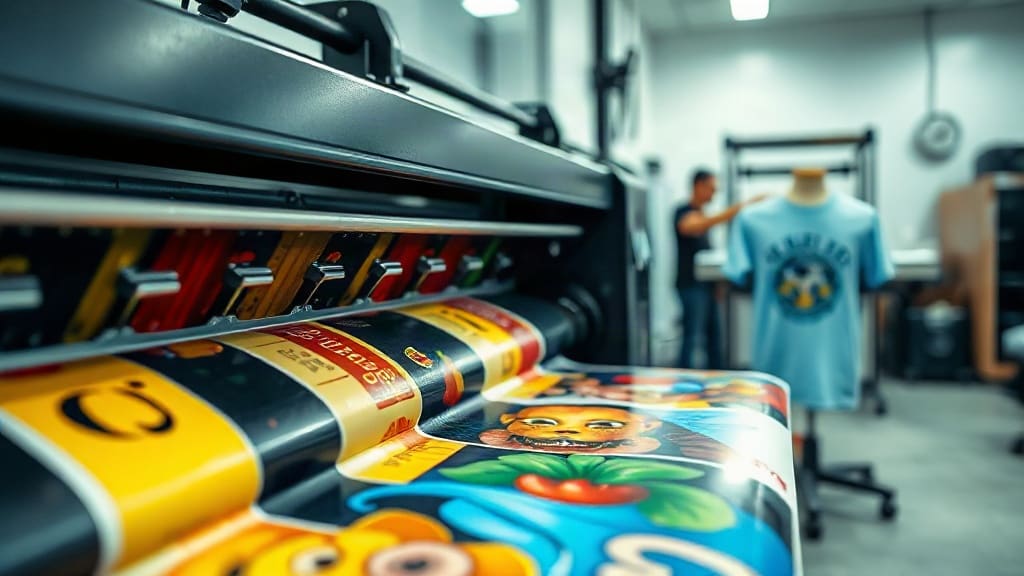
If you've been searching for dtf printing solutions, you've probably typed "dtf transfers near me" into a search engine at some point. The convenience of having a local supplier is undeniable: you can see samples in person, avoid shipping delays, and build a relationship with someone who understands your needs. But finding the right provider takes more than just picking the first result. In this guide, I'll walk you through everything you need to know about sourcing dtf transfers from nearby businesses, from what to look for to how to ensure you get the best quality.
Direct-to-film (DTF) printing has exploded in popularity among custom apparel makers, small businesses, and hobbyists. Unlike traditional screen printing, DTF allows for vibrant, full-color designs on various fabrics with minimal setup. The process involves printing onto a special film, applying adhesive powder, and then heat-pressing the transfer onto your garment. The end result is a soft, durable print that feels like part of the fabric. Whether you're creating custom t-shirts, hoodies, tote bags, or even hats, DTF offers incredible flexibility.
But here's the catch: not all DTF printers are created equal. The quality of your transfers depends heavily on the equipment, materials, and expertise of the provider. That's why choosing the right local shop matters. In this article, I'll share my personal experience with sourcing DTF transfers, the questions you should ask, and the red flags to avoid. By the end, you'll feel confident in your ability to find a dependable partner near you.
Why Choose Local DTF Transfer Providers?
When you look for "dtf transfers near me," you're not just searching for convenience. There are several tangible benefits to working with a local printer:
- Faster Turnaround: You can drop off your artwork and pick up finished transfers within days, sometimes even hours. No waiting for shipping.
- Face-to-Face Communication: You can discuss your project in person, show physical samples, and get immediate feedback. This reduces misunderstandings.
- Supporting Local Business: You're contributing to your community's economy, which often leads to more personalized service.
- Quality Verification: You can inspect the transfer quality before committing to a large order. You can even do a test press on your own garment.
In my own experience, I once needed a rush order for a client event. A local DTF shop was able to produce 50 transfers within 24 hours. That kind of speed would have been impossible with an online-only supplier. Plus, I could see the exact color matching on their sample prints, which gave me confidence.
How to Find DTF Transfer Services in Your Area
The search for "dtf transfers near me" is straightforward, but it's important to refine your results. Here are practical steps I've used to locate reliable printers:
Start with a Targeted Online Search
Use specific search terms like "DTF printing near me," "DTF transfer service [your city]," or "custom DTF transfers local." Search engines will show you businesses that explicitly offer this service. Don't stop at the first page; dig deeper to find smaller, specialized shops that might not rank as high.
Check Social Media and Directories
Instagram and Facebook are goldmines for local DTF providers. Many print shops showcase their work on these platforms. Search hashtags like #DTFtransfers or #localprinting, and you'll find businesses in your region. Also, check online directories like Yelp, Google Maps, and even Etsy (some sellers offer local pickup).
Ask for Recommendations
If you know other custom apparel creators, ask them where they get their transfers. Local screen printing shops often know DTF specialists. Attending local maker fairs or networking events can also introduce you to potential suppliers.
What to Look for in a DTF Transfer Provider
Once you have a list of candidates, you need to evaluate them. Here's what I've learned to scrutinize:
Quality of Materials and Equipment
Ask about the type of film, ink, and adhesive powder they use. Premium supplies yield better results. For instance, some films are designed to stretch more, which is crucial for athletic wear. High-quality printers (like Epson or Ricoh with DTF conversion) and curing ovens ensure consistent output. Don't be shy to ask about their equipment. A reputable provider will gladly share details.
Print Samples and Test Orders
Before placing a bulk order, request samples. If they're hesitant, that's a red flag. Good businesses are proud of their work. I always order a small test transfer first, even if it costs extra. It's worth the investment to see how the transfer looks on my fabric, how it withstands washing, and how it feels.
Turnaround Time and Capacity
Ask about their typical turnaround time for orders of your size. Can they handle rush orders? What's their maximum order quantity? If you anticipate growth, you'll want a provider who can scale with you.
Pricing Structure
Pricing for dtf transfers varies based on size, quantity, and number of colors. Request a detailed quote. Some providers charge per square foot, others per transfer. Compare apples to apples. Be wary of extremely cheap prices, as they often reflect low-quality supplies or rushed work.
Customer Service and Communication
How responsive are they? Do they answer your questions clearly? Are they willing to help with design file preparation? A provider who offers guidance on file setup (e.g., proper resolution, color profiles) is a valuable asset.
Common Pitfalls When Choosing Local DTF Printers
Over the years, I've encountered several issues that you should watch out for:
- Hidden Fees: Some shops add setup fees, color correction fees, or rush fees without upfront disclosure. Always ask for a complete breakdown.
- Inconsistent Quality: A provider might produce excellent samples but mediocre bulk runs. To mitigate this, order a small batch first and inspect every piece.
- Poor Color Accuracy: DTF printing can be tricky with color matching. Make sure they use ICC profiles and can match Pantone colors if needed.
- Insufficient Curing: If the adhesive powder isn't properly cured, transfers may peel after a few washes. Ask about their curing process.
- Limited Fabric Compatibility: While DTF works on many fabrics, some require special treatments. Ensure they know how to handle 100% cotton, polyester blends, or delicate materials.
I once used a new local provider that had great reviews but turned out to use a low-grade film. The transfers cracked after just three washes. That was a costly lesson. Now, I always verify their material sources.
How to Get the Best Results from Your DTF Transfers
Even with a great provider, your results depend on how you handle the transfers. Here are my top tips:
Prepare Your Artwork Correctly
Provide high-resolution files (300 DPI or higher) in PNG or AI format. Ensure your designs have proper color separation if they include white ink. DTF can print white, but it's used as a base for opaque colors on dark fabrics. Work with your provider to ensure your files are optimized.
Press with the Right Temperature and Pressure
Most DTF transfers require a heat press set to around 300°F (150°C) for 10-15 seconds at medium pressure. Follow the provider's instructions. If you're new to heat pressing, practice on scrap fabric to avoid ruining your garments.
Test Wash and Care
After pressing, wash the garment inside out in cold water and hang dry. This helps set the adhesive and prevents premature wear. I always test one sample through multiple washes before committing to a full production run.
Store Transfers Properly
If you don't use all your transfers immediately, store them in a cool, dry place away from direct sunlight. Moisture can affect the adhesive powder.
Cost Considerations for DTF Transfers
The price of dtf transfers can range from $1.50 to $10 or more per transfer, depending on size and quantity. On average, a standard 8x10-inch transfer might cost around $3.00 when ordered in bulk. Local providers may offer discounts for repeat customers or large orders. Don't forget to factor in any setup fees or design assistance costs.
To get the best value, consider ordering in larger quantities to reduce per-unit costs. Some shops offer tiered pricing, so ask for quotes at different volumes. Also, inquire about loyalty programs or seasonal promotions.
The Future of DTF Printing
The DTF industry is evolving rapidly. We're seeing improvements in ink formulations that increase flexibility and color vibrancy. Some printers are adopting water-based inks for eco-friendlier production. Additionally, automated systems are reducing turnaround times. As a consumer, staying informed about these trends helps you choose a provider who invests in modern technology.
I've noticed that many local printers are now offering hybrid services, combining DTF with other methods like sublimation or embroidery. This can be convenient if you need varied products.
Frequently Asked Questions
How do I find the best DTF transfer shop near me?
Start by searching online for "dtf transfers near me" and check reviews on Google and social media. Visit the shop if possible to see their equipment and samples. Ask for references and test orders to evaluate quality.
What is the minimum order quantity for local DTF transfers?
It varies. Some shops accept single transfers, while others require a minimum of 10 or more. It's best to ask directly. Many local providers are flexible for small businesses, so don't assume you need a huge order.
Can I use DTF transfers on any fabric?
DTF works well on cotton, polyester, blends, and even leather and nylon. However, very stretchy fabrics or those with high spandex content may need special care. Always test on a sample before bulk production.
How long do DTF transfers last?
With proper application and care, DTF transfers can last as long as the garment itself. They are resistant to cracking and fading, but washing in hot water or using harsh detergents can shorten their lifespan.
What file formats do I need for DTF printing?
Common formats include PNG, AI, PSD, and PDF. Your provider will guide you on the specifics. Ensure your design has transparent backgrounds unless you want a white box.
Final Thoughts
Finding the right local provider for dtf transfers requires a bit of research, but the payoff is worth it. You'll enjoy faster turnaround, better communication, and the peace of mind that comes from seeing your product before committing. Remember to prioritize quality over price, ask the right questions, and always do a test run.
Now that you're armed with this knowledge, you can confidently search for "dtf transfers near me" and evaluate your options like a pro. Whether you're a seasoned decorator or just starting out, the right partner will elevate your products and help your business thrive. Good luck, and happy printing!