
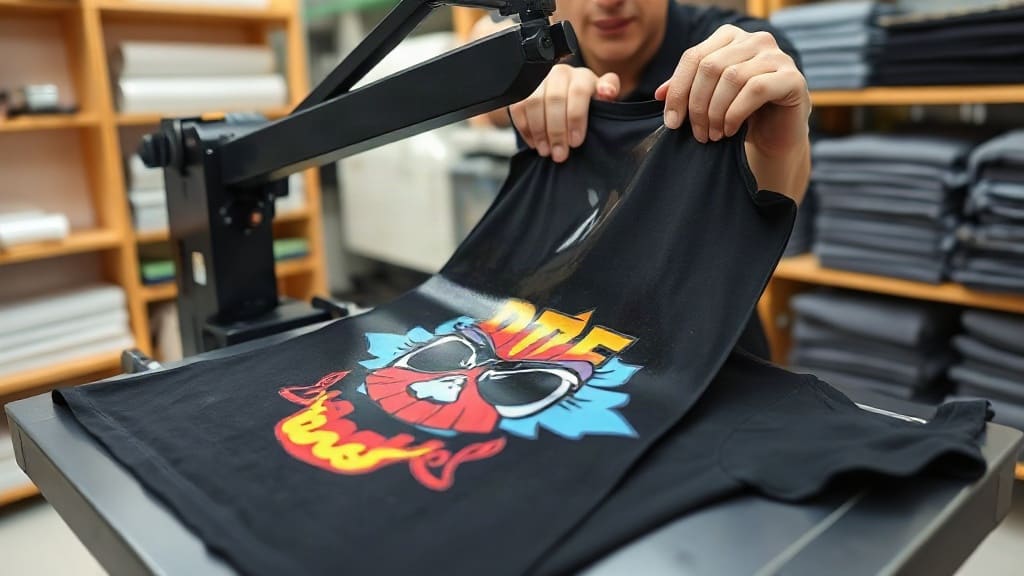
If you've been searching for DTF transfers near me, you're likely looking for a way to create custom apparel without the hassle of traditional screen printing. DTF (Direct to Film) printing has become a game-changer for small businesses and hobbyists alike. It offers high-quality prints, vibrant colors, and the ability to apply designs to a wide range of fabrics. But finding the right local supplier can be tricky. In this guide, I'll share from my experience what to look for, how to test quality, and the pitfalls to avoid.
Why Choose a Local DTF Transfer Supplier?
When you type DTF transfers near me, you're probably looking for convenience. Local suppliers offer several advantages: faster turnaround, no shipping costs, and the ability to see and feel the product before buying. Plus, you can build a relationship with the supplier, which can lead to better pricing and custom solutions. But not all local suppliers are created equal. You need to evaluate them based on several factors.
Understanding DTF Transfer Quality
Quality varies significantly between suppliers. DTF transfers consist of a printed film with adhesive powder. When heat pressed, the design transfers to the garment. The quality depends on the printer, ink, film, powder, and the pressing process. Here are the key indicators of a good transfer:
Color Vibrancy and Detail
Good DTF prints have vibrant, opaque colors that don't wash out easily. Look for a supplier who uses high-quality CMYK and white ink. The white underbase is crucial for printing on dark garments. Ask for samples to see how the colors look on different fabrics.
Stretch and Durability
When you stretch the printed area, it shouldn't crack or peel. The adhesive powder must be even and properly cured. A simple test: press a sample onto a cotton t-shirt, wash it a few times, and check for fading or cracking.
Edge Definition
Fine details, such as small text or intricate designs, should be sharp. If edges look blurry or the powder is uneven, it may cause issues during pressing.
How to Find the Best DTF Transfers Near Me
Here's a step-by-step approach to locate a reliable local DTF transfer provider.
Search Online and Check Reviews
Start with a simple search for DTF transfers near me. Look at their websites and social media. Read reviews on Google and Facebook. Pay attention to comments about print quality, turnaround time, and customer service. A supplier with many positive reviews is a good sign.
Ask for Samples
Before committing, request a sample pack. Most professional suppliers offer samples at a small cost. Test the transfers on different fabrics: cotton, polyester, blends. Check the washability and feel. This is the best way to assess quality.
Visit the Facility if Possible
If you can, visit the supplier's workshop. Seeing their equipment and process gives you confidence. You'll know if they use industrial printers and if their workspace is clean and organized. A messy operation often leads to inconsistent quality.
Compare Pricing
Price is important, but don't go for the cheapest option. Low prices might mean low-quality materials. Compare per-transfer costs, including any setup fees. A good supplier will be transparent about pricing and offer volume discounts.
Common Mistakes to Avoid When Choosing a Local DTF Supplier
In my years of working with DTF transfers, I've seen people make these mistakes:
Ignoring the Film Type
Some suppliers use cheaper film that doesn't release properly or leaves a sticky residue. Ask about their film brand. High-quality film like those from trusted manufacturers ensures a clean release.
Not Testing on Your Garment Type
DTF transfers work best on 100% cotton or cotton blends. If you plan to print on performance fabrics (like polyester), test first. The press time and temperature may need adjustment.
Skipping the Test Press
Even if you have a sample, always do a test press with your own heat press and settings. Temperature, pressure, and time affect the final result. A good supplier will provide guidelines.
How to Use DTF Transfers for Your Business
If you're planning to use DTF transfers to create products for sale, here are some tips:
- Start with a small inventory of popular designs to test the market.
- Invest in a good heat press; a clamshell or swing-away press with even pressure is essential.
- Use a Teflon sheet or parchment paper to protect the transfer during pressing.
- Follow the supplier's recommended press time and temperature (usually around 300°F for 15 seconds, medium pressure).
- After pressing, peel the film hot or cold according to instructions.
- Wash test your products to ensure durability.
Benefits of Using DTF Transfers Over Other Methods
DTF transfers have several advantages over screen printing, vinyl, and sublimation:
Versatility
You can print on many fabrics, including cotton, polyester, blends, and even leather. Unlike sublimation, which only works on polyester, DTF works on dark and light colors.
No Minimums
Screen printing often requires large minimum orders. With DTF, you can order as few as one transfer. This is perfect for custom orders or testing designs.
Soft Hand Feel
DTF prints have a soft, flexible texture that doesn't crack or peel easily. They feel better than thick vinyl prints.
Cost-Effective for Small Runs
For small quantities, DTF is more cost-effective than screen printing. You don't have to invest in screens or setup fees.
Frequently Asked Questions
How much do DTF transfers typically cost?
The cost depends on size, quantity, and complexity. On average, a standard 8x10 inch transfer can range from $1 to $3 per transfer for small quantities, with discounts for larger orders. Local suppliers might have different pricing, so it's best to get quotes from several.
Can I do DTF transfers at home with a regular printer?
No, you need a specialized DTF printer that uses pigment inks and white ink, along with a powder adhesive applicator. It's not possible to replicate the quality with a standard inkjet or laser printer.
How long do DTF transfers last?
With proper pressing and care, DTF transfers can last through many washes, typically 50+ washes without significant fading or cracking. It's important to wash garments inside out in cold water and avoid harsh detergents.
What is the best heat press temperature and time for DTF?
Usually, 300°F to 320°F for 10-15 seconds with medium pressure works well. But always follow the supplier's instructions, as different films and powders may have specific requirements. Test on a scrap garment first.
Can DTF transfers be used on mugs or other items?
DTF is designed for fabrics. For hard surfaces like mugs, you'd need sublimation (for coated items) or UV printing. DTF transfers are specifically for textiles.
Final Thoughts
Finding the right DTF transfers near me can be a rewarding experience. By taking the time to research, test samples, and build a relationship with a local supplier, you'll get high-quality transfers that help your projects succeed. Remember, the cheapest option isn't always the best. Prioritize quality and reliability. With these tips, you're ready to start creating amazing custom apparel with DTF transfers.