
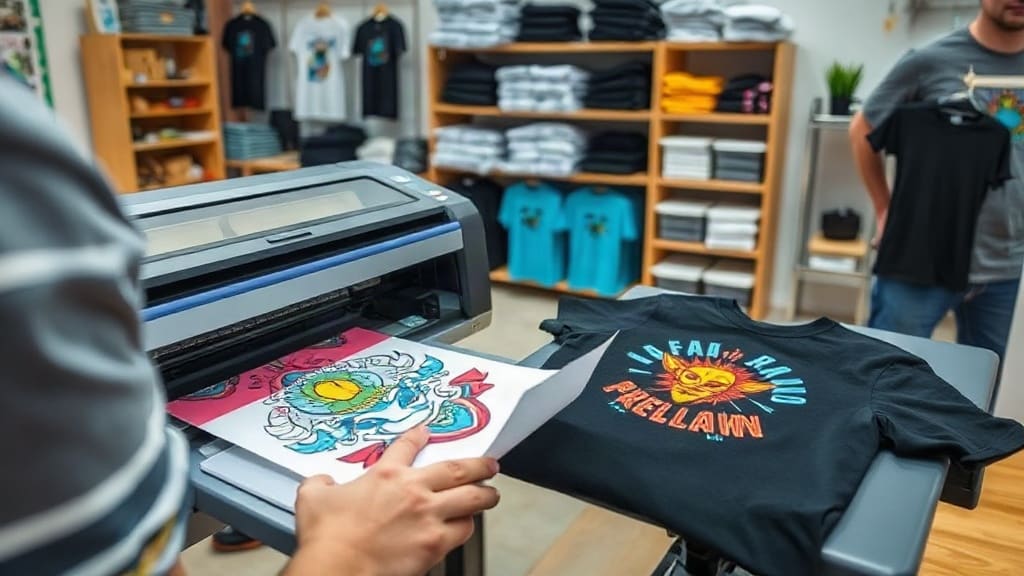
DTF transfers have revolutionized the custom printing industry, offering a flexible and vibrant solution for creating custom apparel and accessories. Whether you're a small business owner, a hobbyist, or someone curious about modern printing techniques, understanding DTF (Direct to Film) transfers is essential. In this guide, we'll dive deep into what makes this method so popular, how it compares to other techniques, and how you can achieve professional results every time.
What Are DTF Transfers?
DTF transfers are a printing method where designs are printed onto a special PET film using a DTF printer and then transferred onto fabric using heat and pressure. The process involves printing the design with vibrant inks, applying a powdered adhesive, and curing it. Later, the film is placed on the garment, heated, and peeled away, leaving a soft, durable print.
Unlike traditional heat transfer vinyl (HTV) or screen printing, DTF transfers allow for full-color prints with no weeding, making it ideal for intricate designs and small batch orders. The technology has gained massive popularity in recent years because of its versatility and cost-effectiveness.
How DTF Transfers Work: Step-by-Step
- Printing: The design is printed in reverse onto a PET film using specialized DTF inks, typically CMYK plus white.
- Adhesive Application: A hot-melt adhesive powder is applied to the wet ink on the film. The powder sticks only to the printed areas.
- Curing: The film is passed through a heat source or oven to melt and solidify the adhesive, making it ready for transfer.
- Transfer: The film is placed on the garment (or other substrate) with the printed side down, and heat and pressure are applied using a heat press.
- Peeling: After pressing, the film is peeled away (either hot or cold, depending on the film type), leaving the design on the fabric.
Why Choose DTF Transfers?
There are several reasons why DTF transfers are becoming the go-to choice for printers and businesses:
1. Vibrant Colors and High Detail
DTF printing uses high-quality inks that produce vivid, sharp prints. The white ink layer allows the design to pop on dark fabrics, ensuring no color washing out.
2. Soft Hand Feel
Unlike some other transfer methods, DTF prints have a soft texture that doesn't crack or peel easily. The design becomes part of the fabric, so it feels smooth and flexible.
3. No Weeding Required
With HTV or vinyl, you have to manually weed out excess material, which is time-consuming and difficult for complex designs. DTF eliminates this step, saving you hours of labor.
4. Versatility Across Substrates
You can use DTF transfers on a wide range of materials, including cotton, polyester, blends, nylon, and even leather. This makes it perfect for t-shirts, hoodies, bags, caps, and more.
5. Cost-Effective for Small Runs
Screen printing has high setup costs, making it impractical for small quantities. DTF transfers have no minimum order, so you can print one or hundred items at a competitive price.
DTF Transfers vs. Other Printing Methods
To truly appreciate DTF transfers, it's helpful to compare them to other popular techniques.
DTF vs. Screen Printing
Screen printing is excellent for large orders with simple designs, but it's costly to set up and not suitable for detailed colors. DTF offers similar vibrancy without the setup fees and is perfect for short runs.
DTF vs. Direct-to-Garment (DTG)
DTG prints directly onto the fabric, but it's slower and often requires pre-treatment for dark garments. DTF transfers are faster, more portable, and work better on various fabrics.
DTF vs. Heat Transfer Vinyl (HTV)
HTV is limited to simple shapes and colors, requiring weeding. DTF handles full-color, gradient designs effortlessly and is faster for multi-color jobs.
Tips for Perfect DTF Transfers at Home or in Business
To get the best results with DTF transfers, follow these expert tips:
1. Choose the Right Film
Not all PET films are created equal. Look for high-release films that work with your printer and adhesive. Test different brands to find one that gives a clean peel and strong adhesion.
2. Use Quality Inks and Adhesive
The quality of your inks and adhesive powder directly affects the print's durability and feel. Invest in reputable products to avoid issues like cracking or washing out.
3. Calibrate Your Heat Press
Temperature and pressure are critical. Typical settings are around 300°F (150°C) for 10-15 seconds, but always test with your specific film and fabric. Use a heat press, not an iron, for even pressure.
4. Cure the Adhesive Properly
If the adhesive isn't fully cured, the transfer may not stick. Follow the manufacturer's instructions for curing time and temperature.
5. Peel When Recommended
Some films require hot peeling (immediately after pressing), while others need cold peeling (wait until cool). Check your film's specification and follow it precisely.
6. Store Film Properly
Keep your printed films in a cool, dry place away from direct sunlight. Moisture and heat can affect the adhesive's performance.
Common Mistakes to Avoid
Even experienced printers can encounter issues. Here are some pitfalls to avoid:
- Skipping test prints on scrap fabric before doing the final piece.
- Using too much or too little adhesive powder, leading to weak adhesion or excess residue.
- Pressing with inconsistent pressure, causing parts of the design to not transfer.
- Washing garments too soon after pressing; wait at least 24 hours before washing to allow the adhesive to fully set.
Applications of DTF Transfers
The versatility of DTF transfers opens up countless possibilities:
- Custom t-shirts and hoodies for teams, events, or businesses.
- Personalized gifts like tote bags or pillowcases.
- Workwear and uniforms with logos and names.
- Fashion items with intricate, full-color designs.
- Promotional products such as caps, aprons, and more.
Frequently Asked Questions
How many washes can DTF transfers withstand?
With proper application and care, DTF transfers can last for 40-50 washes or more. To maximize longevity, wash garments inside out in cold water and avoid using bleach or fabric softeners.
Can DTF transfers be used on any fabric?
Yes, DTF transfers work on cotton, polyester, blends, and even more challenging surfaces like nylon and leather. However, the best results are usually on natural or blended fabrics. Always test on a small area first to ensure adhesion.
Do I need a special printer for DTF transfers?
Yes, you need a DTF printer that can handle the required inks and films. However, you can also convert certain inkjet printers for DTF, but it's recommended to use a dedicated system for optimal performance.
Are DTF transfers eco-friendly?
DTF printing uses water-based inks and produces less waste compared to screen printing. The films are recyclable in some areas, but check with your supplier. Overall, it's considered a more sustainable option for short runs.
Final Thoughts
DTF transfers are a game-changer in the world of custom printing. They offer unmatched flexibility, quality, and ease of use, making them ideal for both beginners and professionals. By following the tips and understanding the process, you can produce stunning, durable prints that will impress your customers or elevate your own projects. Whether you're starting a print-on-demand business or just want to create custom gear, DTF is a worthwhile investment.