
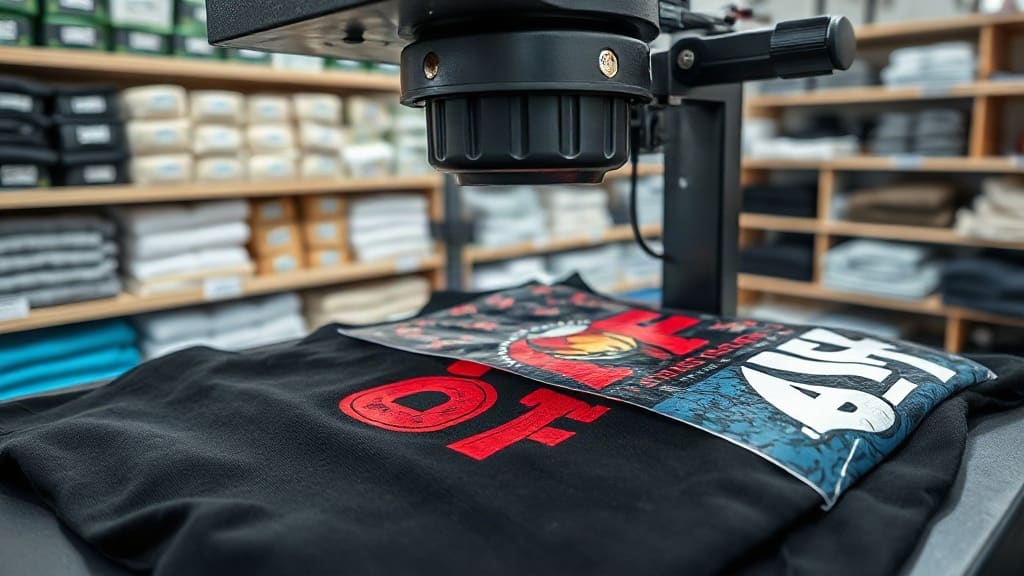
If you've been exploring custom apparel printing, you've likely heard about DTF transfers. This innovative method is taking the industry by storm, offering a versatile and cost-effective way to create vibrant designs on various fabrics. In this comprehensive guide, we'll dive deep into what DTF transfers are, how they work, and why they might be the perfect solution for your printing needs.
What Are DTF Transfers?
DTF stands for Direct to Film. It is a printing technique where a design is printed onto a special PET film using a DTF printer, then coated with adhesive powder. Once the powder is cured, the film is placed on the fabric and heat pressed, transferring the design onto the garment. Unlike traditional heat transfer vinyl (HTV), DTF transfers can reproduce intricate, full-color designs with incredible detail.
The process begins with a digital design that is printed in reverse onto the film. The adhesive powder is applied while the ink is still wet, and then the film is heated to set the powder. When you're ready to apply, you simply trim the design, position it on your garment, and press with a heat press. The result is a soft, durable print that feels like part of the fabric.
Why Choose DTF Transfers?
DTF transfers offer several advantages over other printing methods, making them a popular choice for both small businesses and large-scale production.
Versatility Across Fabrics
One of the biggest selling points of DTF transfers is their ability to adhere to almost any fabric. Whether you're printing on cotton, polyester, blends, nylon, or even leather, DTF transfers perform exceptionally well. This versatility is a game-changer for businesses that want to offer a wide range of products without investing in multiple printing technologies.
Exceptional Detail and Color
DTF printing uses CMYK plus white ink, allowing for vibrant colors and sharp details. It can handle gradients, small text, and complex designs that might be challenging with other methods. The white ink layer ensures that colors pop on dark garments as well as light ones.
No Weeding Required
If you've ever worked with HTV, you know how tedious weeding can be. DTF transfers eliminate this step entirely. The design is printed with a border of adhesive powder, so once it's transferred, you just peel the film away. This saves significant time and labor, especially for intricate designs.
Soft Hand Feel
Unlike some thick vinyl prints, DTF transfers produce a soft, flexible print that doesn't crack or peel easily. The ink and adhesive bond with the fabric fibers, giving the print a smooth texture that feels great against the skin.
How to Use DTF Transfers
Using DTF transfers is straightforward, but there are a few key steps to ensure a perfect result every time.
- Prepare the Film: Your DTF transfer will come on a roll or as individual sheets. Cut out the design, leaving a small border around it.
- Preheat the Garment: Set your heat press to the recommended temperature (usually around 300°F to 320°F) and pre-press the garment for 2-3 seconds to remove moisture and wrinkles.
- Position the Transfer: Place the film on the garment with the printed side facing down. Make sure it's centered and aligned correctly.
- Press: Apply firm pressure (typically medium to heavy) for about 15-20 seconds. The exact time may vary based on the fabric and press.
- Peel: While the film is still warm, peel it off slowly and carefully. If the design lifts, place it back and press for a few more seconds.
After the transfer is applied, you might want to do a final press with a protective sheet or parchment paper to ensure the adhesive is fully cured. Always follow the manufacturer's instructions for your specific DTF transfers.
DTF Transfers: Pros and Cons
Like any printing method, DTF transfers have their strengths and limitations. Here's a balanced look at what you can expect.
Advantages
- Works on a variety of fabrics, including those that are difficult to print on.
- High detail and color accuracy.
- No weeding, which speeds up production.
- Soft hand feel and durability.
- Cost-effective for small to medium runs.
Disadvantages
- Initial investment in DTF equipment can be high if you're printing in-house.
- White ink systems require regular maintenance to prevent clogging.
- Transfer film and adhesive powder add to the per-print cost.
Despite these minor drawbacks, many businesses find that the benefits far outweigh the costs, especially when compared to other full-color printing methods like screen printing.
Comparing DTF Transfers to Other Methods
To truly appreciate DTF transfers, it helps to see how they stack up against alternatives like screen printing, HTV, and DTG printing.
DTF vs. Screen Printing
Screen printing is excellent for large orders with simple designs. However, it requires a lot of setup time and equipment. DTF transfers are perfect for short runs and complex designs without the setup hassle. You can even print small batches economically.
DTF vs. HTV
HTV is great for simple text and cut designs, but it falls short on gradient and photographic images. DTF transfers handle those with ease. Plus, DTF is faster because there's no weeding.
DTF vs. DTG
DTG (Direct to Garment) printing works well on 100% cotton but struggles with polyester blends. DTF transfers work on any fabric, making them more versatile. DTG machines also tend to be more expensive upfront and have higher maintenance costs.
Tips for Perfect DTF Transfer Results
Getting professional-looking results with DTF transfers requires attention to detail. Here are some tips to ensure your prints come out flawless.
- Always use high-quality DTF films and inks from reputable suppliers.
- Calibrate your printer settings for optimal color output.
- Store your printed transfers in a cool, dry place to prevent the adhesive from degrading.
- Test on a sample fabric first to fine-tune time and temperature.
- When peeling, do it at the right temperature. If you peel too early or too late, you might damage the design.
By following these practices, you'll minimize waste and maximize the shelf life of your transfers.
Common Mistakes to Avoid with DTF Transfers
Even experienced printers can run into issues. Here are some common pitfalls and how to avoid them.
- Overheating: Too high temperature can scorch the fabric or cause the adhesive to bleed.
- Insufficient pressure: If the press isn't firm enough, the transfer may not adhere fully.
- Peeling too quickly: Wait the recommended time before peeling, or you might pull the design off.
- Using low-quality film: This can result in cracking or peeling after a few washes.
Being aware of these mistakes will help you troubleshoot and produce consistent quality.
Frequently Asked Questions About DTF Transfers
Can DTF transfers be used on dark garments?
Absolutely. The white ink layer in DTF printing acts as an underbase, ensuring that the colors stay vibrant on dark fabrics. Just make sure your design includes enough white coverage where needed.
How many washes can DTF transfers withstand?
With proper application, DTF transfers can last for 50 or more washes without fading or cracking. The durability depends on the quality of the materials and how well you follow the pressing instructions.
Do DTF transfers work on polyester?
Yes, one of the major advantages of DTF transfers is their ability to bond with polyester. This makes them ideal for sportswear and performance apparel where DTG might not be suitable.
What is the ideal heat press temperature for DTF transfers?
Most DTF transfers require a temperature between 300°F and 320°F, with a pressing time of 15-20 seconds at medium to heavy pressure. Always check the specific instructions from your transfer supplier for exact settings.
Can I reuse the PET film after a transfer?
No, the PET film is a one-time use product. After the transfer, the film is peeled off and discarded. However, you can recycle the film if your local facilities accept it.
Conclusion
DTF transfers have revolutionized the custom apparel industry with their flexibility, ease of use, and outstanding results. Whether you're a hobbyist looking to make custom t-shirts or a business aiming to expand your product line, DTF transfers offer a practical solution. By understanding the process, benefits, and best practices, you can leverage this technology to create stunning garments that your customers will love. So why not give DTF transfers a try? You might just find your new favorite printing method.