
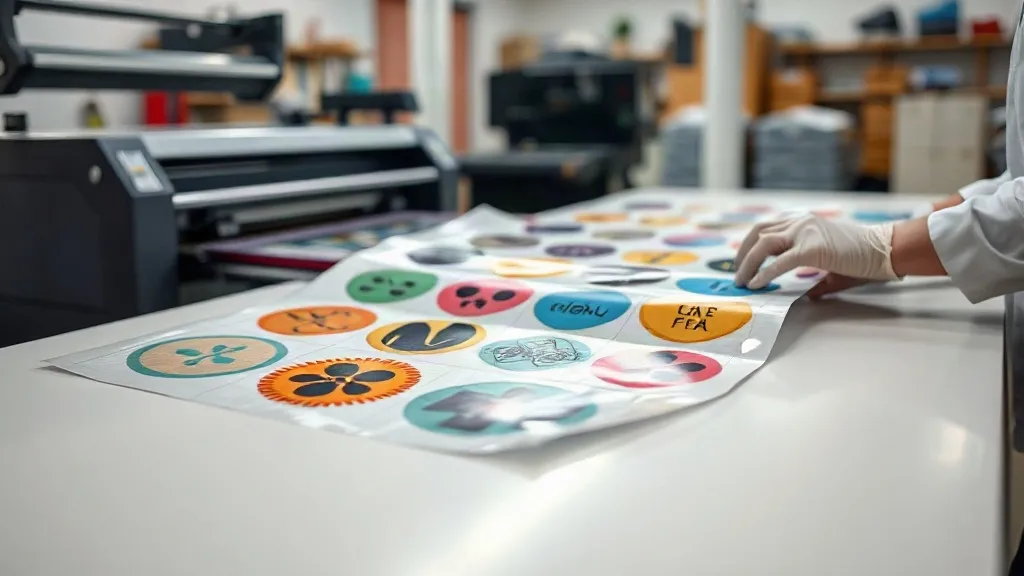
If you run a custom apparel business, you know that time and material costs can make or break your profit margins. That's where the DTF Gangsheet comes in. This innovative printing method allows you to arrange multiple designs on a single sheet, maximizing efficiency and minimizing waste. In this guide, we'll dive deep into what a DTF Gangsheet is, how it works, and why it might be the missing piece in your production puzzle.
What Is a DTF Gangsheet?
A DTF (Direct to Film) Gangsheet is a large film sheet that holds multiple printed designs, ready to be transferred onto garments. Instead of printing each design individually, you consolidate them onto one sheet, hence the term "gang" (group) sheet. This approach is particularly popular in the custom apparel industry for its cost-effectiveness and speed.
Unlike traditional DTF printing where each transfer is separate, a gangsheet lets you gang up various jobs, making it ideal for small to medium-sized orders. Whether you're printing t-shirts for a local team or creating promotional merchandise, gangsheets can significantly reduce your production time and material usage.
How DTF Gangsheets Work
The process begins with designing your artwork and arranging it on a template. You'll need to consider the size of the film, the spacing between designs, and the cut lines. Once your layout is ready, it's printed onto a special film using DTF printers, followed by a powder application and curing process. The result is a sheet of transfers that can be stored and used as needed.
Step-by-Step Breakdown
- Design Preparation: Use graphic software to arrange your designs on a gangsheet template. Ensure proper spacing and orientation.
- Printing: Load the film into your DTF printer and print the designs using DTF inks.
- Powder Application: While the ink is wet, apply hot melt adhesive powder evenly over the printed area.
- Curing: Melt the powder using a heat press or oven to create a durable, flexible transfer.
- Transfer: When ready, heat press the individual designs onto garments.
Each step requires attention to detail, but once mastered, gangsheets become a seamless part of your workflow.
Benefits of Using DTF Gangsheets
Why should you consider incorporating gangsheets into your production? Let's explore the key advantages.
Cost Efficiency
By printing multiple designs on one sheet, you reduce the amount of film and ink used per design. This is especially beneficial for small orders where printing individually would be cost-prohibitive. Additionally, gangsheets minimize waste by utilizing the entire sheet area.
Time Savings
Printing a single gangsheet takes less time than printing each design separately. You can prepare multiple transfers in one go, speeding up your production cycle and allowing you to take on more orders.
Consistency and Quality
When you print all designs on the same sheet, you ensure consistent color and quality across the board. This is crucial for orders that require multiple identical items or a cohesive look.
Versatility
Gangsheets can accommodate a variety of designs, from small logos to large graphics, on different fabric types. Whether you're working with cotton, polyester, or blends, DTF transfers adhere well and hold up over time.
Choosing the Right Materials for DTF Gangsheets
Not all films and powders are created equal. To get the best results, you need to select high-quality materials that are compatible with your printer and the fabrics you'll be using.
DTF Film
Look for film that offers excellent ink absorption and release properties. Cold-peel films are popular because they allow for immediate peeling after pressing, saving time. Hot-peel films, on the other hand, require the transfer to cool before peeling, but they can provide a softer hand feel.
DTF Ink
Use pigment-based inks designed specifically for DTF printing. These inks are formulated to work with the adhesive powder and produce vibrant, wash-resistant colors.
Adhesive Powder
The powder is what makes the transfer stick to the fabric. Choose a fine, consistent powder that melts evenly. The particle size affects the final feel, so experiment to find what works best for your customers.
Designing for Gangsheets: Tips and Best Practices
Creating an efficient gangsheet layout requires some planning. Here are some tips to help you optimize your designs.
Maximize Space Utilization
Arrange designs to fill the sheet as much as possible without overlapping. Use nesting techniques to fit irregular shapes together. Remember to leave enough space for cutting.
Consider the Grain of the Fabric
If your designs have a direction (e.g., text), ensure they are oriented correctly relative to the fabric grain when transferred. This prevents misalignment on the final garment.
Group Similar Colors
To reduce ink changes and improve efficiency, group designs with similar color palettes on the same sheet. This also helps maintain color consistency.
Include Cut Marks
Add registration marks or cut lines to guide trimming. This is especially important if you're using a cutting machine.
Common Challenges and Solutions
Even experienced printers face issues with gangsheets. Here are some common problems and how to overcome them.
Film Wrinkling
Wrinkled film can cause printing defects. Store film flat and handle it carefully. If wrinkles occur, gently warm the film to relax it before printing.
Powder Adhesion Issues
If the powder doesn't stick properly, it may be due to excess ink or insufficient powder application. Ensure even coverage and tap off excess powder before curing.
Color Consistency
Variations in color can happen if the printer is not calibrated. Regularly maintain your printer and use ICC profiles to ensure consistent output.
Maximizing Profitability with DTF Gangsheets
To truly benefit from gangsheets, you need to integrate them into a lean production strategy. Here are some strategies to boost your bottom line.
Batch Production
Group orders with similar deadlines and materials to create larger gangsheets. This reduces setup time and material waste.
Offer Gangsheet Services
Many customers appreciate the cost savings of gangsheets. Promote this option for small orders or sample packs.
Invest in Automation
Consider software that automates gangsheet layout and cutting. This can further reduce labor costs and errors.
Frequently Asked Questions
How many designs can fit on a DTF gangsheet?
The number depends on the size of each design and the sheet dimensions. A typical 13x19 inch sheet can hold several small logos or a few larger graphics. Use design software to calculate the best arrangement.
Can I use DTF gangsheets on dark fabrics?
Yes, DTF transfers include a white ink layer that makes them opaque on dark colors. Just ensure your printer is set up correctly for white ink printing.
What is the shelf life of a DTF gangsheet?
When stored properly in a cool, dry place away from direct sunlight, gangsheets can last up to 6 months. Avoid folding them to prevent cracks.
Do I need a special printer for DTF gangsheets?
You need a DTF printer that supports film printing. Many modified inkjet printers can be used, but dedicated DTF printers offer better reliability and quality.
How do I price products made with gangsheets?
Calculate your cost per design by dividing the total material and labor cost by the number of designs on the sheet. Then add your desired profit margin. This ensures competitive pricing.
Incorporating DTF gangsheets into your production line can transform your business, making it more agile and profitable. With the right approach, you'll wonder how you ever managed without them.