
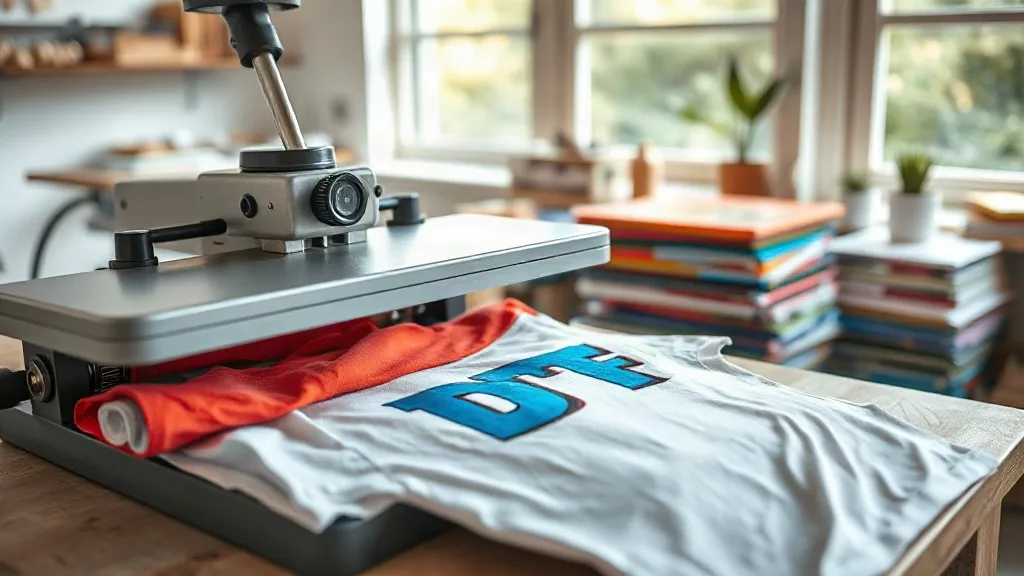
If you've been exploring custom apparel printing, you've likely come across dtf transfers. This method has quickly become a favorite among crafters and small business owners for its versatility and vibrant results. Unlike other printing techniques, DTF (Direct to Film) allows you to transfer detailed designs onto almost any fabric, from cotton to polyester, without the need for specialized equipment. In this guide, we'll walk you through everything you need to know to get started with dtf printing, from understanding the process to applying transfers like a pro.
What Are DTF Transfers?
DTF transfers are printed designs on a special film that can be applied to fabrics using heat and pressure. The process involves printing your artwork onto a PET film using specialized DTF printers and inks. Once printed, a powdered adhesive is applied to the wet ink, which is then cured. This creates a transfer that can be stored and used later. When you're ready to apply, you simply place the transfer on your garment, heat press it, and peel away the film, leaving a durable, vibrant print behind.
The beauty of dtf transfers lies in their versatility. They work on a wide range of materials, including cotton, polyester, blends, and even some synthetics. This makes them ideal for personalizing t-shirts, hoodies, tote bags, and more. Plus, DTF prints are known for their soft feel and excellent wash durability, making them a popular choice for both hobbyists and professionals.
How DTF Transfers Work: Step by Step
Understanding the DTF process can help you appreciate the quality of the transfers and use them effectively. Here's a breakdown of the key steps:
- Design Preparation: Your design is prepared digitally, ensuring it's mirrored (unless using a RIP software that handles this) and sized appropriately. High-resolution images work best.
- Printing: A DTF printer prints your design onto a special film using CMYK and white inks. The white ink layer is crucial for opacity on dark fabrics.
- Powder Application: While the ink is still wet, a hot-melt adhesive powder is applied evenly over the design. Excess powder is shaken off.
- Curing: The film with the powder is heated to melt the powder, creating a solid adhesive layer. This step is critical for wash durability.
- Transfer: The cured film is placed on the fabric and heat pressed. After pressing, the film is peeled away (hot or cold peel, depending on the film type), leaving the design bonded to the fabric.
Each step requires attention to detail, but once you have the hang of it, DTF printing becomes a smooth and efficient process.
Why Choose DTF Transfers Over Other Methods?
DTF printing offers several advantages that make it stand out:
- No Special Fabric Preparation: Unlike DTG (Direct to Garment) printing, DTF doesn't require pre-treating the fabric. This saves time and reduces costs.
- Works on Almost Any Fabric: From 100% cotton to polyester and blends, DTF adheres well to a wide range of materials.
- Vibrant Colors and Fine Details: DTF printers can produce high-resolution prints with smooth gradients and fine lines.
- Durability: When applied correctly, DTF prints withstand multiple washes without fading or cracking.
- Cost-Effective for Small Runs: DTF transfers are ideal for small batches or one-off items, as there's no need for screens or setup fees.
These benefits make DTF a go-to method for custom apparel businesses and hobbyists alike.
Choosing the Right DTF Transfers
When sourcing DTF transfers, quality matters. Look for transfers that use high-quality inks and films to ensure vibrant colors and durability. If you're searching for dtf transfers near me, you might find local print shops that offer DTF services, but online retailers often provide a wider selection and competitive pricing. When ordering online, check for:
- Film Type: Some films are designed for hot peel, others for cold peel. Choose based on your preference and equipment.
- Ink Quality: Ensure the transfers use pigment-based inks that are vibrant and wash-resistant.
- Adhesive Powder: High-quality powder ensures a strong bond and soft hand feel.
- Customer Reviews: Look for reviews on durability and color vibrancy to gauge quality.
Many suppliers offer sample packs so you can test before committing to a larger order.
Applying DTF Transfers: Tips for Perfect Results
Applying DTF transfers is straightforward, but following best practices ensures a professional finish. Here are some tips:
1. Prepare Your Heat Press
Set your heat press to the recommended temperature (usually around 300-325°F or 150-160°C). Pre-press the garment for a few seconds to remove moisture and wrinkles.
2. Position the Transfer
Place the transfer on the garment with the design facing up. If your transfer doesn't have a mirrored design, ensure it's oriented correctly.
3. Press with Consistent Pressure
Apply medium to firm pressure for the recommended time (typically 10-15 seconds). Too little pressure can result in poor adhesion, while too much can cause the design to spread.
4. Peel Carefully
Peel the film either hot or cold, depending on the film's instructions. Hot peel films are removed immediately after pressing, while cold peel films require the garment to cool completely before peeling.
5. Post-Press for Durability
For added durability, especially on stretchy fabrics, press the design again for a few seconds with a Teflon sheet or parchment paper over it.
Following these steps will help you achieve smooth, professional-looking prints every time.
Common Mistakes to Avoid with DTF Transfers
Even experienced crafters can run into issues. Here are some common pitfalls and how to avoid them:
- Insufficient Pressure: This can cause the transfer to peel or wash off. Always use consistent, firm pressure.
- Wrong Temperature: Too hot and the film may melt or the adhesive may scorch; too cold and the adhesive won't activate. Use a heat gun or infrared thermometer to verify your press temperature.
- Peeling at the Wrong Time: Peeling too early or too late can ruin the design. Follow the film's instructions precisely.
- Not Pre-Pressing: Moisture in the fabric can prevent proper adhesion. Always pre-press to remove moisture.
- Using the Wrong Fabric: While DTF works on many fabrics, some very stretchy or heat-sensitive materials may require special handling. Test on a scrap first.
By avoiding these mistakes, you'll save time and materials.
DTF Transfers for Business: Scaling Your Production
If you're running a custom apparel business, DTF transfers can help you scale efficiently. You can order transfers in bulk, store them, and apply them as needed. This eliminates the need for expensive equipment and allows you to offer a wide range of designs without inventory. Plus, DTF transfers are perfect for fulfilling small orders or custom requests quickly. Many businesses use DTF to produce samples or limited editions, then switch to screen printing for larger runs. The flexibility of DTF makes it a valuable addition to any print shop's services.
Finding Quality DTF Transfers
When it comes to sourcing DTF transfers, quality is key. Look for suppliers that use premium inks and films, and offer clear instructions for application. Reading reviews and asking for samples can help you make an informed decision. Whether you're a hobbyist or a business owner, investing in high-quality transfers will save you time and frustration in the long run.
Frequently Asked Questions
How long do DTF transfers last?
With proper application and care, DTF transfers can last as long as the garment itself. They are durable and withstand repeated washing without fading or cracking. For best results, wash inside out in cold water and avoid harsh detergents.
Can I use DTF transfers on dark fabrics?
Yes, DTF transfers include a white ink layer that provides excellent opacity on dark fabrics, ensuring vibrant colors even on black or navy garments.
Do I need a special printer for DTF transfers?
To create your own DTF transfers, you need a DTF printer and curing oven. However, you can purchase pre-printed transfers from suppliers and apply them with a standard heat press, which is more cost-effective for most beginners.
What is the difference between hot peel and cold peel DTF transfers?
Hot peel transfers are removed immediately after pressing while still hot, which can give a slightly glossier finish. Cold peel transfers must be cooled completely before peeling, often resulting in a softer feel. Both methods yield durable prints.
Can I stretch DTF prints?
DTF transfers have some stretchability, but they may crack if stretched excessively. For stretchy fabrics, post-press the design to improve elasticity, and avoid over-stretching the printed area.